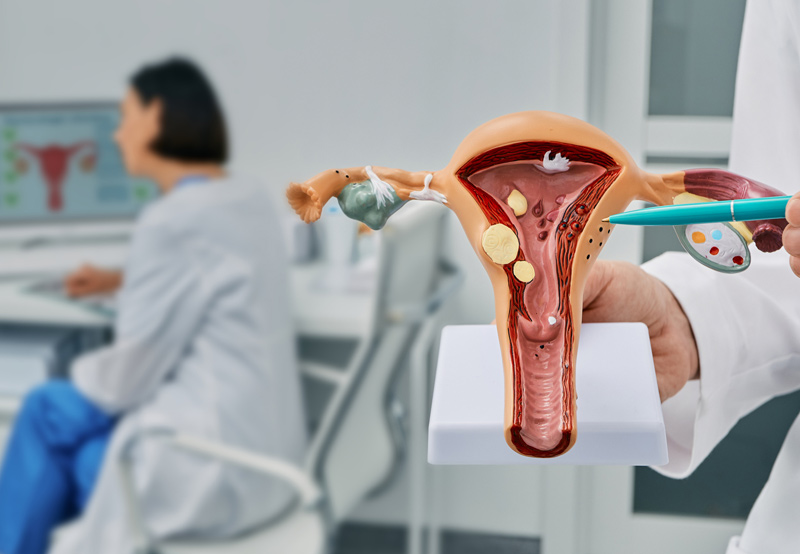
Vaginal Cyst Removal Treatment in Indirapuram
Vaginal Cyst Removal
A vaginal cyst is a fluid-filled lump that forms beneath the skin of the vaginal wall. Most are small, painless, and harmless. However, some may grow, become infected, or cause discomfort during daily activities or intercourse.
Common Types of Vaginal Cysts
- Bartholin's Cyst – Forms near the opening of the vagina due to blocked Bartholin glands
- Inclusion Cyst – Often results from trauma or surgery
- Gartner’s Duct Cyst – A leftover from embryonic development
- Sebaceous Cyst – Caused by blocked hair follicles or oil glands
Each type may require different treatment approaches based on size, symptoms, and infection risk.
When Is Vaginal Cyst Removal Necessary?
Surgical removal is considered when:
- The cyst is large or growing
- It becomes painful or infected
- It causes discomfort during sex or movement
- It recurs frequently
- There is suspicion of cancer (rare)
Doctors assess the cyst through physical exam and imaging before recommending surgery.
Types of Vaginal Cyst Removal Procedures
-
Incision and Drainage
This quick outpatient procedure drains the fluid to relieve pressure and pain. It's often used for infected cysts. However, the cyst may return if the sac isn’t removed. -
Marsupialization
A small cut is made, and the cyst is drained. Then, the edges are stitched open to form a small pouch. This prevents future blockages and recurrence. Commonly used for Bartholin’s cysts. -
Complete Surgical Removal
The entire cyst and its sac are removed under local or general anesthesia. This prevents recurrence and is ideal for recurrent or suspicious cysts.
Preparing for Vaginal Cyst Surgery
Before surgery:
- Your doctor may perform a pelvic exam or ultrasound
- You may be advised to stop blood thinners
- Avoid eating or drinking a few hours before surgery if general anesthesia is planned
Clear communication with your doctor ensures the safest plan.
Recovery After Vaginal Cyst Removal
Healing usually takes 1 to 2 weeks. Here’s what to expect:
- Mild swelling or discomfort
- Minor bleeding or discharge
- A sitz bath (warm water soak) helps reduce pain and promote healing
- Antibiotics may be prescribed to prevent infection
- Avoid sex, tampons, and intense physical activity until fully healed.
Post-Surgery Care Tips
- Keep the area clean and dry
- Use pain relievers as prescribed
- Wear loose-fitting cotton underwear
- Follow up with your doctor for wound checks
- Always report signs of infection like fever, foul-smelling discharge, or increasing pain.
Risks and Complications
While the procedure is safe, potential risks include:
- Infection
- Scarring
- Recurrence
- Pain during intercourse (temporary)
Proper care and follow-up reduce these risks.
Emotional and Sexual Health Considerations
It’s normal to feel anxious or shy discussing vaginal health. Talk openly with your doctor about symptoms and concerns. After healing, most women return to normal activities, including sex, without any issues.