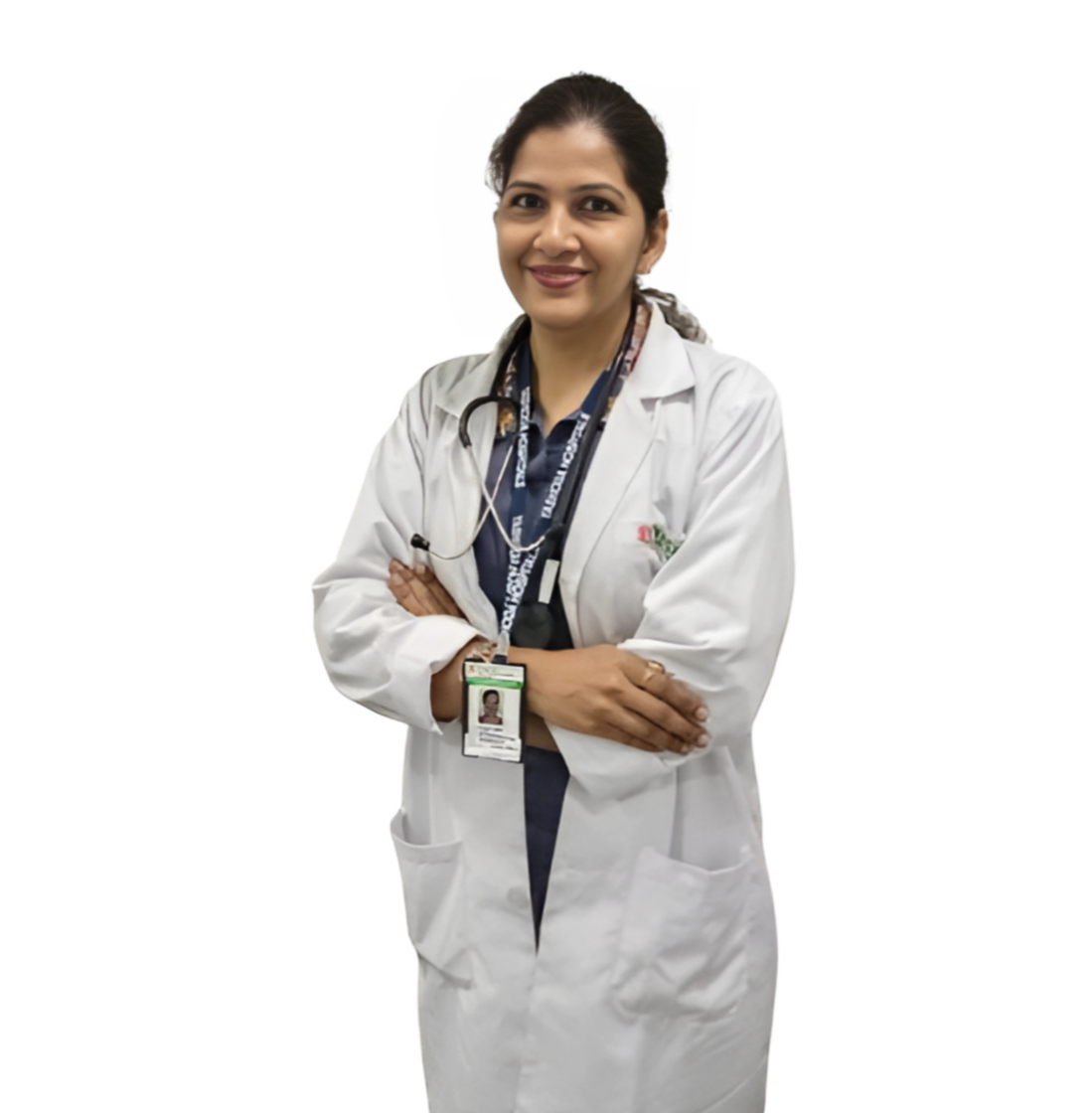
High Risk Pregnancy Treatment in Indirapuram,Ghaziabad
High-Risk Pregnancy treatment
A high-risk pregnancy poses greater health risks for the mother, baby, or both. It requires close monitoring, specialized care, and tailored treatment plans. Early detection improves outcomes and reduces complications.
Common Causes of High-Risk Pregnancy
Several factors increase pregnancy risks:
- High blood pressure
- Diabetes or gestational diabetes
- Kidney or heart disease
- Preeclampsia or eclampsia
- Multiple pregnancies (twins or more)
- Previous pregnancy complications
- Age under 17 or over 35
- Infections or genetic conditions
These conditions may develop before or during pregnancy, affecting treatment needs.
Essential Prenatal Care for High-Risk Cases
Frequent prenatal visits are vital. Doctors track fetal development and maternal health. Regular ultrasounds, blood tests, and non-stress tests detect problems early. Managing chronic conditions is a key focus.
Personalized care includes:
- Blood pressure monitoring
- Blood sugar control
- Medication adjustments
- Weight and nutrition tracking
- Fetal heart rate monitoring
Specialist Involvement and Hospital Support
High-risk pregnancies often need a maternal-fetal medicine (MFM) specialist. These experts guide complex cases. Hospitals may offer high-risk clinics, advanced imaging, and emergency care units.
Depending on the condition, hospitalization may be needed. Bed rest, IV fluids, or steroid injections might be part of the plan. Constant supervision helps prevent premature labor or fetal distress.
Lifestyle Adjustments That Support a Healthy Pregnancy
Lifestyle choices impact pregnancy health significantly. Key adjustments include:
- Eating a balanced, nutrient-rich diet
- Staying active with doctor-approved exercise
- Getting enough sleep and reducing stress
- Avoiding alcohol, tobacco, and unsafe medications
Hydration and prenatal vitamins also support better outcomes.
Medications and Therapies
Doctors may prescribe medications to manage risks:
- Insulin for diabetes
- Antihypertensives for high blood pressure
- Antibiotics for infections
- Blood thinners for clotting disorders
- Progesterone to prevent early labor
All prescriptions are carefully chosen to protect mother and baby.
Monitoring and Emergency Preparedness
Continuous monitoring is essential. Devices track fetal movement and contractions. In some cases, early delivery may be necessary. Doctors weigh the risks and benefits before taking action.
An emergency plan is crucial. Patients should know warning signs like:
- Severe headaches
- Vision changes
- Heavy bleeding
- Sudden swelling
- Sharp abdominal pain
Immediate care can save lives.
Emotional Support and Counseling
Mental health is just as important. Anxiety and depression are common during high-risk pregnancies. Counseling, support groups, and therapy help mothers cope. Staying emotionally strong improves physical health too.
Delivery Planning for High-Risk Pregnancies
Delivery may be induced early or scheduled as a Caesarean. Doctors prepare for all scenarios. The goal is a safe delivery with minimal complications. Neonatal specialists may be on standby in some cases.
Final Thoughts
High-risk pregnancies demand expert care, constant monitoring, and emotional support. With the right treatment and lifestyle changes, most women deliver healthy babies. Early action and open communication with your care team make all the difference.