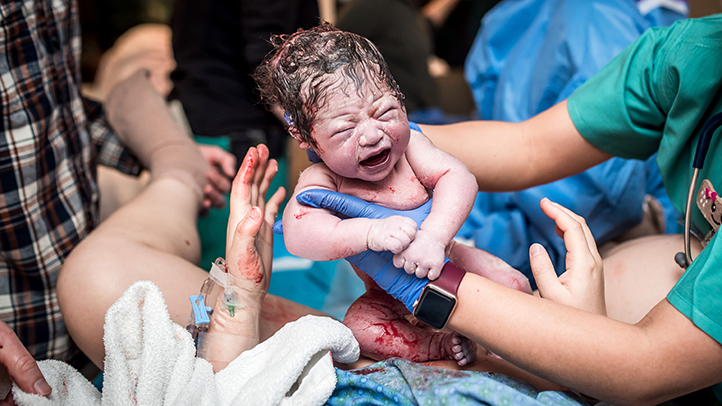
Normal delivery Doctor in Indirapuram,Ghaziabad
Normal Delivery?
Normal delivery refers to a vaginal birth without surgical intervention. It’s the most natural way of giving birth. During this process, the baby is born through the birth canal with minimal medical assistance. It involves three main stages: labor, delivery, and placenta expulsion.
Benefits of Normal Delivery
Normal delivery offers several advantages. Recovery is faster compared to a cesarean section. Mothers experience less postpartum pain. There's a lower risk of respiratory problems for the baby. Breastfeeding can begin sooner, which strengthens the mother-baby bond. It also reduces hospital stay and medical expenses.
Signs of Approaching Labor
Labor doesn’t begin suddenly. It starts with subtle signs. These include lightening, where the baby drops lower in the pelvis. Increased vaginal discharge and frequent urination also occur. You may experience back pain or cramps. One key indicator is the loss of the mucus plug. Another is the rupture of the amniotic sac, also called “water breaking.”
Stages of Normal Delivery
-
First Stage: Early and Active Labor
The first stage begins with contractions. These gradually become stronger and more frequent. Cervix dilation occurs, expanding up to 10 centimeters. Active labor starts when the cervix dilates beyond 6 centimeters. This stage is the longest and can last several hours.
-
Second Stage: Pushing and Birth
Once fully dilated, the second stage starts. It involves active pushing. The mother uses abdominal muscles to help move the baby through the birth canal. With each contraction, the baby moves closer to delivery. Finally, the baby’s head crowns, and birth occurs.
-
Third Stage: Delivering the Placenta
After the baby is born, mild contractions continue. These help detach and expel the placenta. This stage usually takes about 15 to 30 minutes. Medical staff ensures the placenta is complete to avoid complications.
Tips to Prepare for Normal Delivery
- Stay Active During Pregnancy: Walking, prenatal yoga, and gentle exercises help. They improve stamina and pelvic strength. This aids in smoother delivery.
- Practice Breathing Techniques: Controlled breathing can reduce labor pain. It also keeps you calm and focused.
- Attend Childbirth Education Classes: These classes inform you about labor, delivery, and aftercare. You’ll learn pain relief options and birthing positions.
- Maintain a Balanced Diet: Eat iron-rich foods, fruits, and vegetables. Stay hydrated. A healthy diet supports fetal growth and maternal strength.
- Choose a Trusted Healthcare Provider: Discuss your birth plan in advance. Ensure your doctor or midwife supports normal delivery unless medically unfit.
Common Myths About Normal Delivery
- Myth 1: It’s unbearably painful
Fact: Pain is manageable through techniques like breathing, massage, and medication. - Myth 2: Cesarean is safer
Fact: Unless complications arise, normal delivery is safer and promotes quicker recovery. - Myth 3: First-time mothers can't deliver normally
Fact: Many first-time moms have successful vaginal births with the right support.
Risks and Complications
Although safe, normal delivery can involve complications. These include prolonged labor, fetal distress, or excessive bleeding. Immediate medical intervention ensures safety. That’s why a skilled birth team is essential.
Post-Delivery Care
After birth, rest and proper nutrition are vital. Focus on wound healing and breastfeeding. Gentle exercises help regain strength. Emotional support is also important to prevent baby blues or postpartum depression.