Hysteroscopy Procedure Treatment in Indirapuram,Ghaziabad
What is Hysteroscopy?
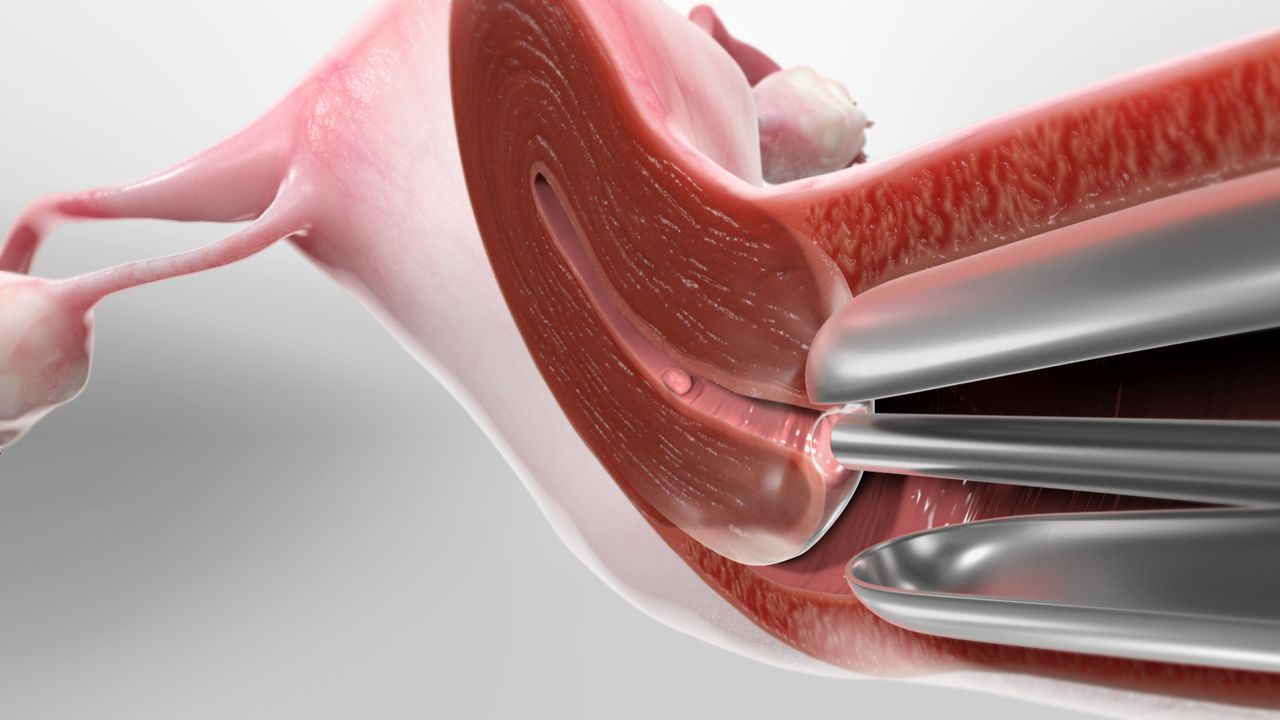
- Hysteroscopy is a procedure that allows doctors to visualize the inside of the uterus.
- It's used for both diagnostic and therapeutic purposes.
Diagnostic Hysteroscopy
- Diagnostic hysteroscopy helps identify abnormalities in the uterus.
- It's used to investigate abnormal uterine bleeding, infertility, and recurrent miscarriages.
- The procedure involves inserting a hysteroscope (a thin, flexible tube with a camera) into the uterus.
- The doctor can visualize the uterine cavity and identify any abnormalities.
Common Diagnostic Findings
- Polyps
- Fibroids
- Adhesions
- Congenital anomalies
- Endometrial hyperplasia
Therapeutic Hysteroscopy
- Therapeutic hysteroscopy is used to treat abnormalities in the uterus.
- It's used to remove polyps, fibroids, and adhesions.
- The procedure involves using specialized instruments to remove or treat abnormalities.
Common Therapeutic Procedures
- Polyp removal
- Fibroid removal (myomectomy)
- Adhesion removal (adhesiolysis)
- Septum removal
- Endometrial ablation (for heavy bleeding)
Benefits
- Minimally invasive procedure
- Reduced risk of complications
- Faster recovery time
- Improved accuracy in diagnosis and treatment
- Can be performed under local anesthesia
Indications
- Abnormal uterine bleeding
- Infertility
- Recurrent miscarriages
- Suspected uterine anomalies
- Postmenopausal bleeding
Preparation
- Patients may need to fast before the procedure
- May require local or general anesthesia
- Doctor may prescribe medications to prepare the uterus
Procedure
- Hysteroscope is inserted through the cervix
- Saline solution is used to distend the uterus
- Doctor visualizes the uterine cavity and performs the procedure
Risks and Complications
- Infection
- Bleeding
- Perforation of the uterus
- Adhesions
- Reaction to anesthesia
Post-Procedure
- Patients may experience mild cramping and bleeding
- May require pain medication
- Follow-up appointment to check for complications
Advantages Over Other Procedures
- Direct visualization of the uterine cavity
- Ability to perform therapeutic procedures
- Reduced risk of complications compared to open surgery
- Faster recovery time
Limitations
- May not be suitable for all patients
- Limited ability to treat complex conditions
- May require additional procedures