Condition-Specific Laparoscopic Procedures
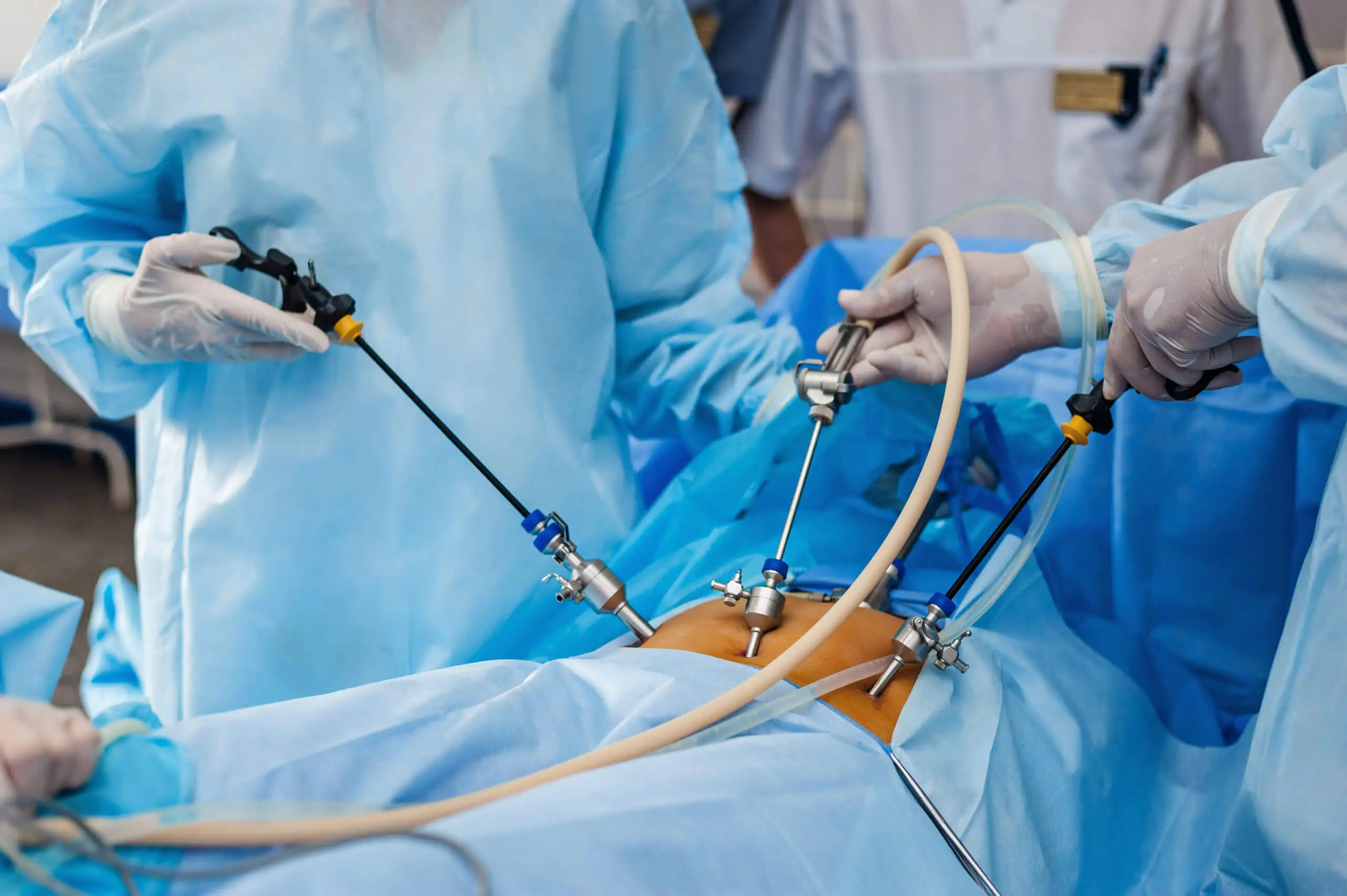
Laparoscopic surgery is a minimally invasive technique that uses small incisions, a camera, and specialized instruments. It offers quicker recovery, less pain, and minimal scarring compared to traditional open surgery. This method is now widely used for many gynecological and abdominal conditions.
Benefits of Laparoscopic Procedures
- Less postoperative pain
- Shorter hospital stays
- Smaller incisions
- Reduced blood loss
- Faster return to daily activities
- Lower risk of infections
These benefits make laparoscopy the preferred option for many targeted treatments.
Common Condition-Specific Laparoscopic Surgeries
-
Laparoscopic Hysterectomy
Used to remove the uterus due to fibroids, abnormal bleeding, or cancer. It can be:
- Total (entire uterus removed)
- Partial (uterus removed, cervix kept)
- Radical (uterus and surrounding tissues removed for cancer)
-
Laparoscopic Myomectomy
This procedure removes uterine fibroids while preserving the uterus. It’s ideal for women who wish to conceive later.
-
Laparoscopic Ovarian Cystectomy
Removes ovarian cysts while keeping the ovary intact. It’s done for cysts causing pain, growing in size, or suspected of being abnormal.
-
Laparoscopic Endometriosis Surgery
Removes or burns endometrial tissue growing outside the uterus. This relieves pain and boosts fertility. It also helps reduce recurrence with better visibility of affected areas.
-
Laparoscopic Tubal Surgery
Used for:
- Tubal Ligation: Permanent birth control
- Tubal Recanalization: Reopening blocked tubes to restore fertility
- Treatment of Ectopic Pregnancy: Safely removes the pregnancy and preserves reproductive health
-
Laparoscopic Adhesiolysis
Breaks down internal scar tissues (adhesions) that may cause pelvic pain or infertility. This helps restore organ function and movement.
-
Laparoscopic Treatment of Pelvic Inflammatory Disease (PID)
Used in severe or recurring PID cases. It drains abscesses, removes infected tissue, and reduces long-term damage.
-
Laparoscopic Surgery for Chronic Pelvic Pain
Helps diagnose and treat causes like ovarian cysts, adhesions, or endometriosis when imaging tests fail to explain symptoms.
What to Expect Before Surgery
- Complete physical exam and lab tests
- Imaging (like ultrasound or MRI)
- Stop eating and drinking 6–8 hours before surgery
- Review all current medications with your doctor
Proper preparation ensures a smooth and safe procedure.
Recovery and Aftercare
- Most patients go home the same day or next
- Recovery time: 1–2 weeks for minor surgery, 3–4 weeks for major procedures
- Mild pain, bloating, or soreness is normal
- Avoid heavy lifting, sex, or strenuous activities for a few weeks
Your surgeon will give detailed post-op instructions to ensure fast healing.
Risks and Complications
Though rare, potential risks include:
- Bleeding
- Infection
- Damage to nearby organs
- Blood clots
- Reaction to anesthesia
Choose a skilled laparoscopic surgeon to minimize risks.
Is Laparoscopy Right for You?
Most women with non-cancerous gynecological issues are good candidates. Laparoscopy is also safe for diagnosing unexplained pelvic problems. Always discuss your condition, fertility goals, and surgical risks with your doctor.