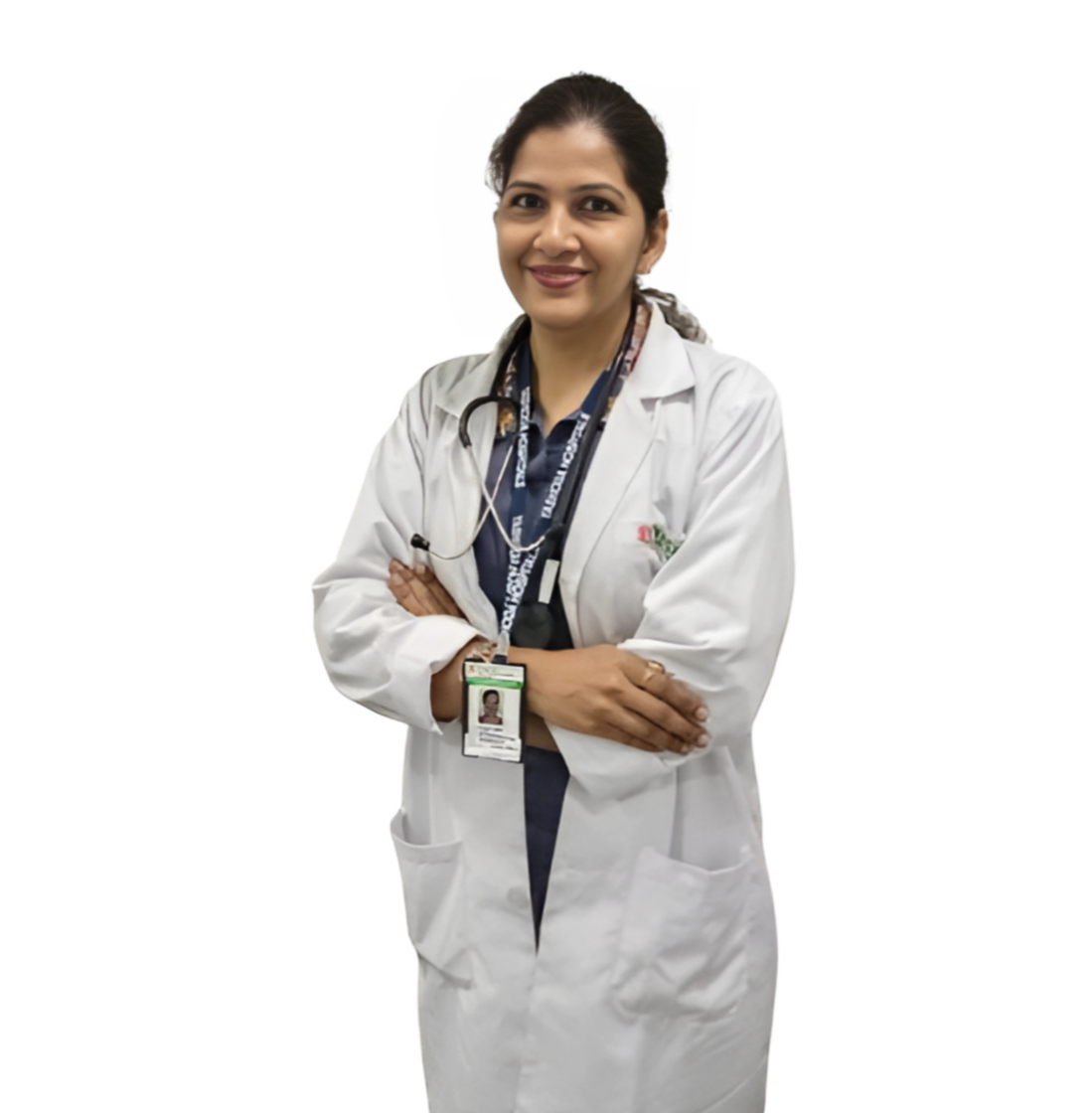
Pre Pregnancy Preconceptional Treatment in Indirapuram,Ghaziabad
Pre-pregnancy/Preconceptional treatment
Preconception care, also called pre-pregnancy care, refers to the health steps taken before trying to conceive. It focuses on improving your physical, emotional, and lifestyle readiness for a healthy pregnancy. These early actions greatly increase your chances of a smooth journey.
Why Preconception Planning Matters
Preparing for pregnancy helps identify and manage health risks early. Many complications in pregnancy can be avoided with good planning. Healthy habits formed now will benefit both mother and baby later.
Schedule a Preconception Check-Up
Visit your doctor before getting pregnant. A full health assessment will be done. Your provider may review:
- Medical and family history
- Current medications
- Vaccination status
- Weight and body mass index (BMI)
- Chronic conditions like diabetes or hypertension
You may need blood tests or screenings to catch hidden issues.
Take Folic Acid Daily
Start taking folic acid at least three months before conception. This B vitamin helps prevent serious birth defects like neural tube defects. Doctors recommend 400 to 800 micrograms daily. You can find it in prenatal vitamins or supplements.
Review and Adjust Medications
Not all medications are safe during pregnancy. Tell your doctor about all drugs, including over-the-counter pills and supplements. They may adjust doses or switch you to safer alternatives.
Achieve a Healthy Weight
Being overweight or underweight affects fertility and pregnancy outcomes. A balanced diet and regular exercise help reach a healthy weight. Even a small weight change can make a big difference.
Manage Chronic Health Conditions
If you have health issues like thyroid problems, asthma, or epilepsy, get them under control before conceiving. This lowers pregnancy risks and supports a healthy baby. Always follow your treatment plan closely.
Quit Harmful Habits
Stop smoking, drinking alcohol, and using recreational drugs. These habits harm fertility and increase the risk of miscarriage and birth defects. If quitting is hard, ask your doctor for support or referrals.
Eat a Balanced and Nutritious Diet
Good nutrition starts before pregnancy. Your body needs proper nutrients to support conception and fetal growth. Focus on:
- Leafy greens
- Whole grains
- Lean proteins
- Fruits and vegetables
- Low-fat dairy
Avoid processed foods and excess sugar.
Stay Active and Reduce Stress
Exercise improves circulation, hormone balance, and mood. Aim for at least 30 minutes of activity most days. Yoga and meditation also lower stress and improve mental health. A calm mind supports a healthy pregnancy.
Check for Genetic Risks
A genetic screening might be advised, especially if you or your partner have a family history of inherited disorders. These tests can help you prepare or consider options like IVF with screening.
Understand Your Menstrual Cycle
Tracking ovulation helps you know your fertile window. Apps, ovulation kits, and basal body temperature tracking can help. Knowing your cycle increases the chance of conception.
Update Vaccinations
Ensure your vaccines are current, including MMR (measles, mumps, rubella), Tdap, flu, and COVID-19. Some vaccines should be given before pregnancy, not during. Ask your doctor what’s needed.
Create a Supportive Environment
A strong support system is essential. Talk with your partner about parenting plans, responsibilities, and emotional readiness. Family and friends can also offer encouragement and help.
Final Thoughts
Preconception care is the first step toward a healthy pregnancy and baby. With early planning and smart choices, you’ll be more prepared physically, mentally, and emotionally. Always work closely with your healthcare provider to guide this important journey.