Pelvic Infections Treatment in Indirapuram
Pelvic Infections & STDs
Pelvic infections and sexually transmitted diseases (STDs) are serious health concerns that affect reproductive health and fertility. They can cause pain, discomfort, and long-term damage if left untreated. Early diagnosis and prompt treatment are essential to prevent complications.
What Are Pelvic Infections?
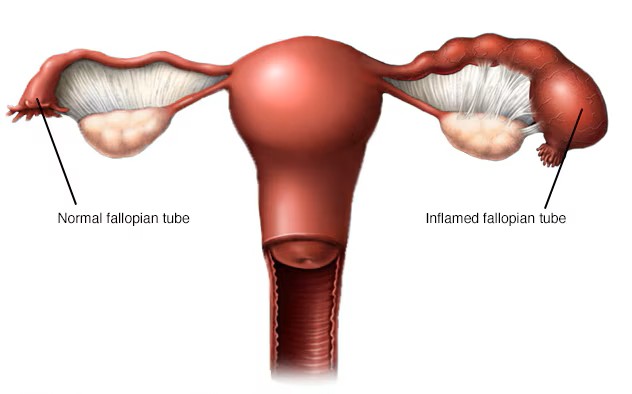
Pelvic infections are infections that affect the female reproductive organs, including the uterus, fallopian tubes, and ovaries. The most common type is Pelvic Inflammatory Disease (PID), which usually results from untreated STDs like chlamydia or gonorrhea.
Common STDs That Cause Pelvic Infections
- Chlamydia
- Gonorrhea
- Trichomoniasis
- Herpes Simplex Virus (HSV)
- Human Papillomavirus (HPV)
- Syphilis
- HIV
These infections are transmitted through unprotected sexual contact and may not always show symptoms.
Symptoms to Watch For
- Lower abdominal or pelvic pain
- Vaginal discharge with foul odor
- Pain during sex
- Painful urination
- Irregular menstrual bleeding
- Fever and chills (in severe cases)
Some STDs can be silent for months, making regular screening vital.
Complications of Untreated Pelvic Infections
- Chronic pelvic pain
- Infertility
- Ectopic pregnancy
- Formation of abscesses
- Spread of infection to other organs
- Increased risk of HIV transmission
Early treatment can prevent these serious outcomes.
How Are Pelvic Infections and STDs Diagnosed?
- Pelvic examination
- Vaginal swabs
- Urine tests
- Blood tests
- Ultrasound or imaging (if abscess or PID is suspected)
Your doctor may recommend routine STD screening based on your sexual activity.
Treatment Options
- Antibiotics
Most bacterial STDs and pelvic infections respond well to prescribed antibiotics.
Always complete the full course, even if symptoms disappear. - Antiviral Medications
Used for viral infections like herpes and HIV.
Help control outbreaks and reduce transmission risk. - Partner Treatment
Your sexual partner should also get tested and treated to prevent reinfection. - Hospitalization (for severe cases)
Intravenous antibiotics or surgical drainage may be required if an abscess develops or if there are signs of sepsis. - Follow-Up Testing
Retesting ensures the infection has cleared.
Prevents long-term reproductive damage.
Prevention Tips
- Use condoms consistently and correctly
- Get tested regularly if sexually active
- Limit the number of sexual partners
- Get vaccinated (for HPV and Hepatitis B)
- Avoid douching—it disturbs the natural vaginal balance
- Communicate openly with your partner about sexual health
When to See a Doctor
Seek immediate medical help if you experience:
- Severe pelvic pain
- High fever
- Foul-smelling vaginal discharge
- Pain during sex or urination
- Missed periods or unusual bleeding
Delaying treatment increases the risk of complications.