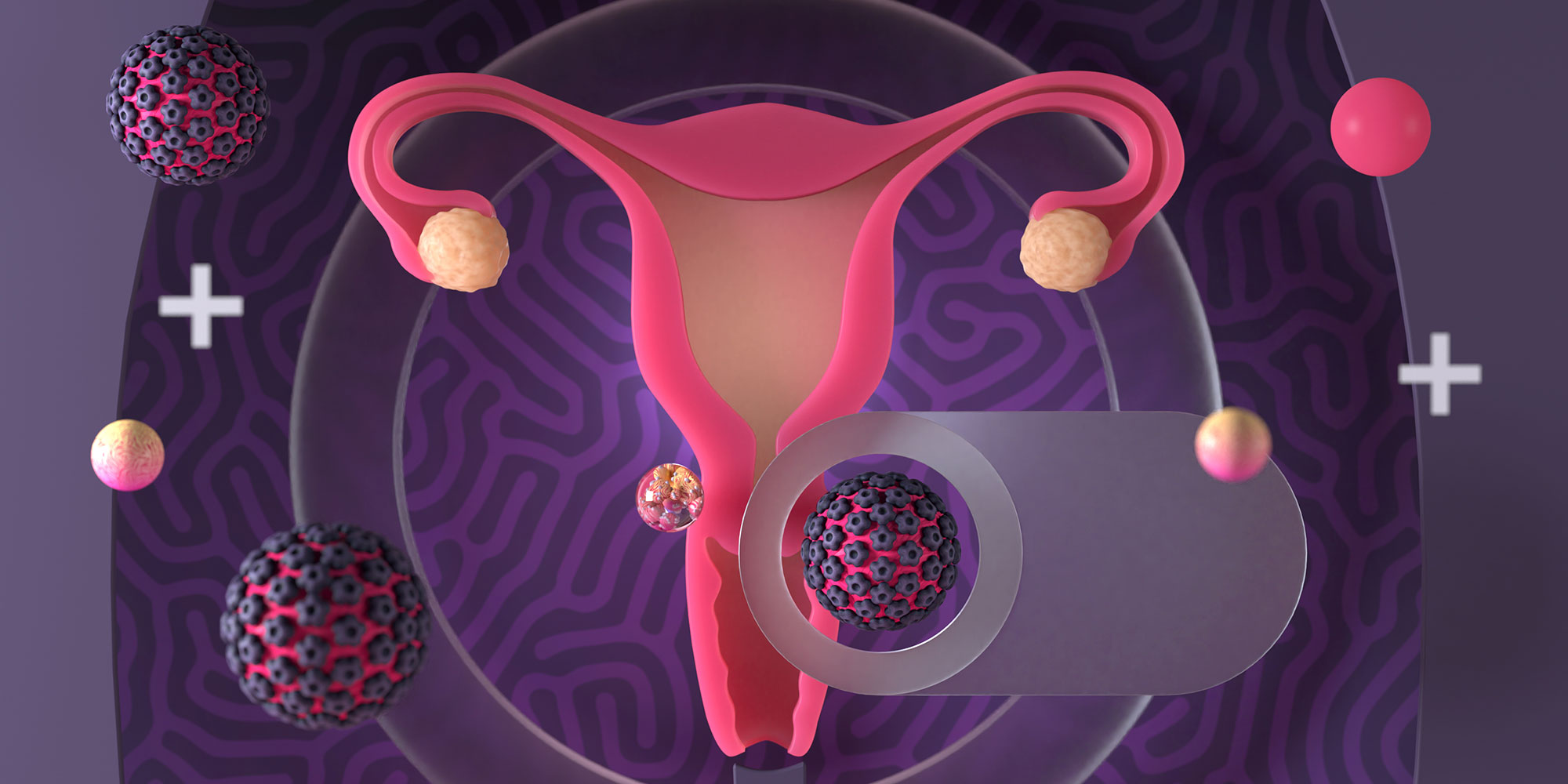
Colposcopy & Screening for Early Detection of Cervical Cancer
Cervical cancer begins in the cells lining the cervix. It develops slowly and is often caused by long-term infection with high-risk types of human papillomavirus (HPV). Early stages rarely show symptoms, making regular screening crucial.
Why Early Detection Matters
Cervical cancer is one of the most preventable cancers. Regular screening can detect abnormal changes before they turn cancerous. Early treatment significantly increases the chances of a complete cure.
What Is a Colposcopy?
A colposcopy is a diagnostic procedure used to closely examine the cervix, vagina, and vulva. It is usually recommended if your Pap smear shows abnormal results.
How Colposcopy Works
- A speculum is inserted to view the cervix.
- A special magnifying instrument (colposcope) is used.
- The doctor applies a vinegar solution to highlight abnormal cells.
- If needed, a small tissue sample (biopsy) is taken for testing.
The procedure is safe, quick, and usually takes 10 to 20 minutes.
Common Reasons for Colposcopy
- Abnormal Pap smear results
- Positive HPV test
- Unexplained vaginal bleeding
- Visible cervical lesions
- Chronic pelvic pain or discharge
What to Expect During and After the Procedure
You may feel mild discomfort or cramping. Light spotting can occur for a day or two. Avoid intercourse, tampons, and douching for at least 48 hours post-procedure to ensure proper healing.
Key Screening Methods for Cervical Cancer
-
Pap Smear (Pap Test)
A Pap test checks for abnormal cells in the cervix. It’s simple, painless, and effective. Women should begin screening at age 30 and repeat every 3 years if results are normal. -
HPV Testing
This test detects high-risk HPV strains known to cause cervical cancer. It can be done alone or with a Pap smear (co-testing). It is often recommended for women over 30. -
Visual Inspection with Acetic Acid (VIA)
In low-resource settings, VIA is used as an alternative to Pap testing. It involves applying vinegar to the cervix and observing any color changes that indicate abnormality.
Who Should Get Screened?
- All women aged 30 and above
- Women with a history of HPV infection
- Those with multiple sexual partners
- Women who smoke or have weakened immunity
- Women with a family history of cervical cancer
How Often Should You Be Screened?
- After the age of 50 years, WHO suggests screening is stopped after two consecutive negative screening results consistent with the recommended regular screening intervals.
- Regular screening interval of every 5 to 10 years when using HPV DNA detection as the primary screening test.
- Where HPV DNA testing is not yet operational, WHO suggests a regular screening interval of every 3 years when using VIA or cytology as the primary screening test.
Benefits of Regular Screening
- Early detection of precancerous changes
- Less invasive treatment options
- Higher survival rates
- Peace of mind and proactive health control
Prevention Tips for Cervical Cancer
- Get vaccinated against HPV (ideal before becoming sexually active)
- Practice safe sex
- Avoid smoking
- Maintain regular gynecological check-ups
- Follow up on abnormal test results immediately