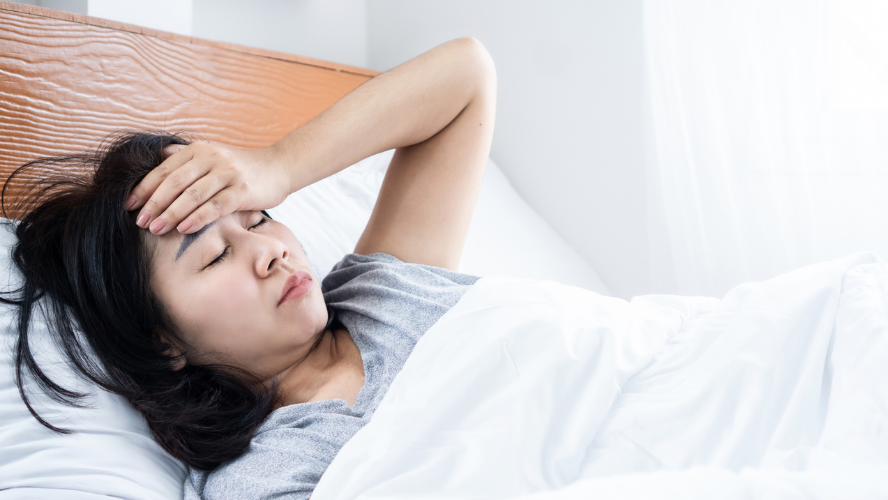
Menopausal Problems Treatment in Indirapuram,Ghaziabad
Menopausal Problems
Menopause is the natural phase in a woman’s life when menstrual periods stop permanently. It usually occurs between the ages of 45 and 55. This transition marks the end of fertility and comes with a drop in estrogen and progesterone levels.
Common Menopausal Symptoms
Menopausal problems can affect physical and emotional well-being. These symptoms vary in intensity and duration.
-
Hot Flashes and Night Sweats
- Sudden feelings of heat in the face and chest
- Often followed by sweating and chills
- Disrupt sleep and daily comfort
-
Irregular Periods
- Periods may become heavier, lighter, or more spaced out
- Eventually stop altogether
-
Mood Swings and Irritability
- Hormonal shifts cause emotional ups and downs
- Anxiety and depression are also common
-
Vaginal Dryness and Discomfort
- Thinning of vaginal walls leads to dryness and itching
- Pain during intercourse is common
-
Sleep Problems
- Trouble falling or staying asleep
- Caused by night sweats or anxiety
-
Decreased Libido
- Lower hormone levels affect sexual desire
- Painful intercourse can reduce interest
-
Weight Gain and Metabolism Changes
- Fat tends to accumulate around the abdomen
- Muscle mass decreases with age
-
Memory and Concentration Issues
- Some women report brain fog or forgetfulness
- Usually temporary but frustrating
Long-Term Health Risks After Menopause
Reduced estrogen levels increase the risk of:
- Osteoporosis (weaker bones and fractures)
- Heart disease (loss of estrogen’s protective effect)
- Urinary incontinence or frequent infections
How to Manage Menopausal Problems
-
Hormone Replacement Therapy (HRT)
- Replaces lost estrogen and relieves major symptoms
- Must be prescribed based on personal risk factors
- Not suitable for everyone
-
Non-Hormonal Medications
- Antidepressants may ease hot flashes and mood swings
- Vaginal moisturizers and lubricants relieve dryness
-
Diet and Lifestyle Changes
- Eat calcium-rich foods to protect bone health
- Limit caffeine, alcohol, and spicy foods to reduce hot flashes
- Exercise regularly to boost mood and metabolism
-
Stress Management
- Practice yoga, meditation, or breathing exercises
- Stay socially connected to reduce feelings of isolation
-
Regular Health Check-ups
- Monitor blood pressure, cholesterol, and bone density
- Get screened for breast and cervical health regularly
When to See a Doctor
Consult a gynecologist if:
- Symptoms are severe or affect daily life
- You experience bleeding after menopause
- You want to discuss hormone therapy or alternatives
Early intervention ensures better quality of life during menopause.