Chronic Pelvic Pain Treatment in Indirapuram
Chronic Pelvic Pain
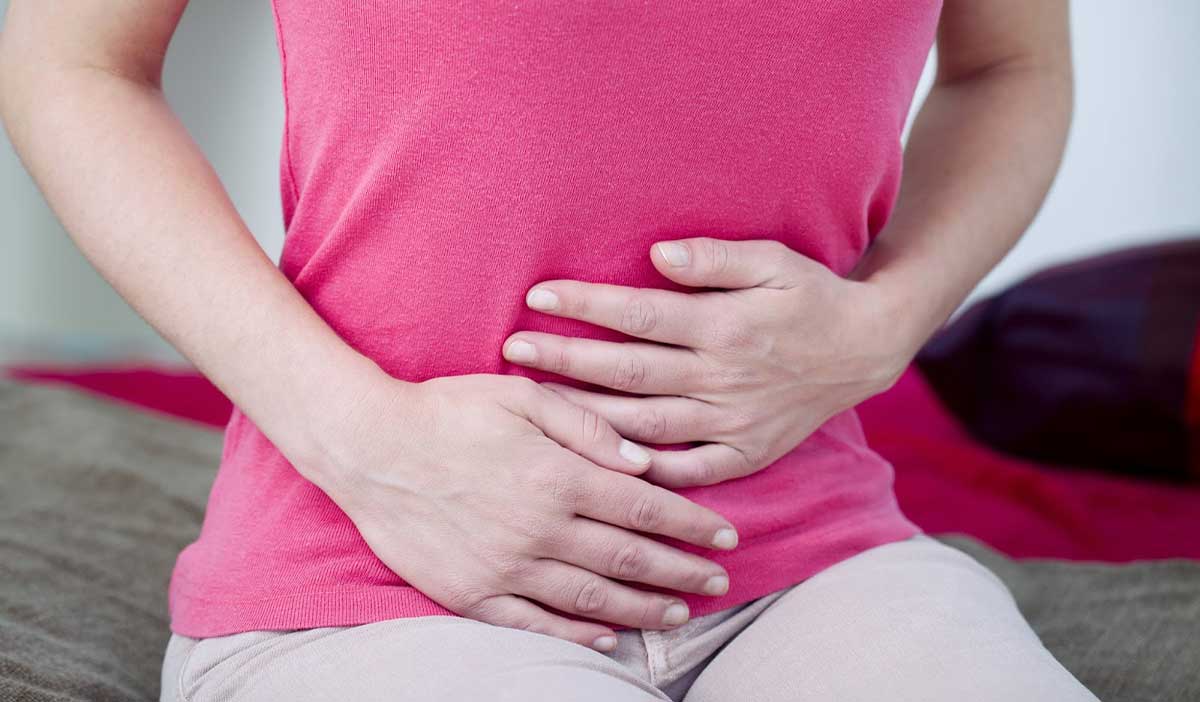
Chronic pelvic pain (CPP) is persistent pain in the lower abdomen or pelvis that lasts six months or more. It can be constant or come and go. This condition affects a person’s daily life, relationships, and emotional health.
CPP is more than just a symptom—it is a complex condition that often needs a multidisciplinary approach.
Common Causes of Chronic Pelvic Pain
Chronic pelvic pain can result from various gynecological, urological, gastrointestinal, or musculoskeletal issues. Common causes include:
- Endometriosis
Tissue similar to the uterine lining grows outside the uterus, causing pain and inflammation. - Pelvic Inflammatory Disease (PID)
A bacterial infection in the reproductive organs can lead to scarring and long-term pain. - Ovarian Cysts or Fibroids
These growths may cause pressure or cramping pain in the pelvis. - Interstitial Cystitis
Also known as painful bladder syndrome, it causes urinary urgency and pelvic pressure. - Irritable Bowel Syndrome (IBS)
Abdominal bloating, cramping, and bowel changes often overlap with pelvic pain. - Pelvic Floor Dysfunction
Tight or weak pelvic muscles can cause chronic discomfort or pressure. - Adhesions or Scar Tissue
Post-surgical or post-infection scarring can pull organs, causing deep pain.
Symptoms to Watch For
- Persistent dull or sharp pelvic pain
- Pain during periods or intercourse
- Pain with bowel movements or urination
- Lower back pain
- Pressure or heaviness in the pelvis
These symptoms may vary in intensity and frequency.
Diagnosing Chronic Pelvic Pain
A complete medical evaluation helps identify the root cause. Diagnosis may include:
- Medical history and physical exam
- Pelvic ultrasound or MRI
- Laparoscopy to view internal organs directly
- Urine and blood tests
- Pain mapping or trigger point identification
Accurate diagnosis leads to better, targeted treatment.
Treatment Options for Chronic Pelvic Pain
- Medications
- Pain relievers (NSAIDs) for temporary relief
- Hormonal therapy for endometriosis or fibroids
- Antibiotics for infections
- Antidepressants or nerve stabilizers for nerve pain
- Physical Therapy
- Pelvic floor therapy helps relax or strengthen muscles and reduce pain.
- Psychological Support
- Cognitive Behavioral Therapy (CBT) and counseling address stress, anxiety, and depression related to chronic pain.
- Minimally Invasive Surgery
- Laparoscopy can remove endometriosis, adhesions, or cysts causing pain.
- Lifestyle Changes
- Regular gentle exercise
- Anti-inflammatory diet
- Stress reduction through yoga or meditation
- Nerve Block Injections
- These may be used to interrupt pain signals for temporary relief.
When to See a Specialist
You should consult a gynecologist or pain specialist if:
- The pain affects daily life
- Over-the-counter medication doesn’t help
- There is no clear cause for your symptoms
- You experience worsening menstrual or sexual pain
Getting help early improves your chances of long-term relief.