Fertility Enhancing Laparoscopic Surgery in Indirapuram,Ghaziabad
Fertility-Enhancing Laparoscopic Surgery
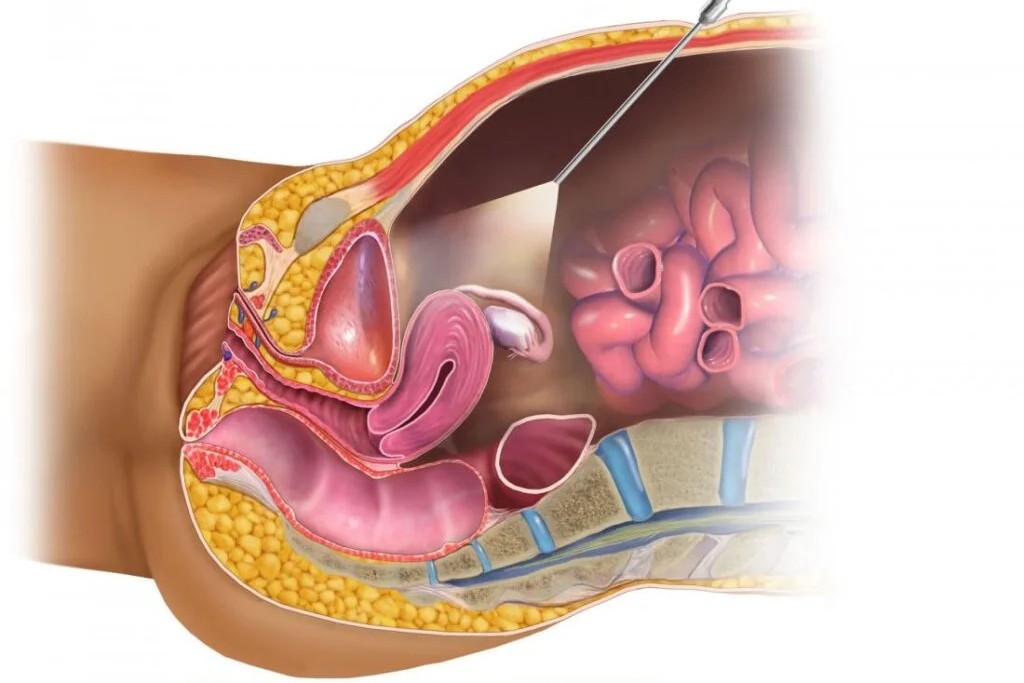
Fertility-enhancing laparoscopic surgery is a minimally invasive technique used to diagnose and treat reproductive conditions that prevent conception. It offers a clear view of the uterus, fallopian tubes, and ovaries, allowing the surgeon to correct abnormalities that hinder fertility.
Who Needs Fertility Laparoscopy?
This procedure is ideal for:
- Women with unexplained infertility
- Suspected endometriosis
- Blocked or damaged fallopian tubes
- Uterine fibroids or polyps
- Ovarian cysts affecting ovulation
- Pelvic adhesions
Laparoscopy helps both in diagnosis and treatment during the same procedure, reducing delays in starting fertility treatments.
Key Fertility-Enhancing Laparoscopic Procedures
-
Tubal Recanalization
Blocked fallopian tubes are cleared to restore egg passage. This increases the chances of natural conception.
-
Endometriosis Removal
Endometrial tissue growing outside the uterus is removed or destroyed. This reduces pain and improves ovulation and embryo implantation rates.
-
Fibroid Removal (Myomectomy)
Submucosal or intramural fibroids can distort the uterine cavity. Removing them improves implantation and reduces miscarriage risks.
-
Ovarian Drilling for PCOS
In women with PCOS (Polycystic Ovary Syndrome), small holes are drilled in the ovaries using laser or cautery. This can restore ovulation naturally.
-
Adhesiolysis
Pelvic adhesions caused by infection, surgery, or endometriosis are removed. This frees reproductive organs, allowing normal function and mobility.
-
Cyst Removal
Ovarian cysts, especially endometriomas, may interfere with ovulation. Removing them helps in natural conception or improves IVF success.
Advantages of Laparoscopic Fertility Surgery
- Small incisions and faster recovery
- Minimal blood loss
- Less postoperative pain
- Clear and detailed internal view
- Treats multiple issues in one surgery
- Boosts chances of natural pregnancy
It’s one of the safest and most effective options for women struggling to conceive due to correctable conditions.
What to Expect Before Surgery
- Medical history and physical exam
- Pelvic ultrasound or MRI
- Hormonal blood tests
- Anesthesia evaluation
- Instructions on fasting and medication adjustment
Preparation is key to a successful outcome and fast recovery.
Recovery After Fertility Laparoscopy
- Most women go home the same day
- Mild pain and bloating for a few days
- Return to daily tasks within 5–7 days
- Avoid strenuous activity and intercourse for 2 weeks
- Full recovery within 2–3 weeks
Your doctor will advise when to resume fertility treatments or try conceiving naturally.
Risks and Complications
Though rare, possible risks include:
- Infection
- Internal bleeding
- Scar tissue formation
- Damage to nearby organs
- Recurrent adhesions
Choosing a skilled laparoscopic surgeon greatly reduces these risks.
When to Expect Pregnancy After Surgery
Many women conceive naturally within 6–12 months after surgery. If not, your doctor may recommend assisted reproductive techniques like IUI or IVF, which now have improved success due to the corrected issues.